
The Sophistication of Wine Appreciation
Wine tasting is an art that engages all the senses. Our expert-led evenings guide participants through the nuances of wine appreciation, from understanding terroir to developing your personal palate.
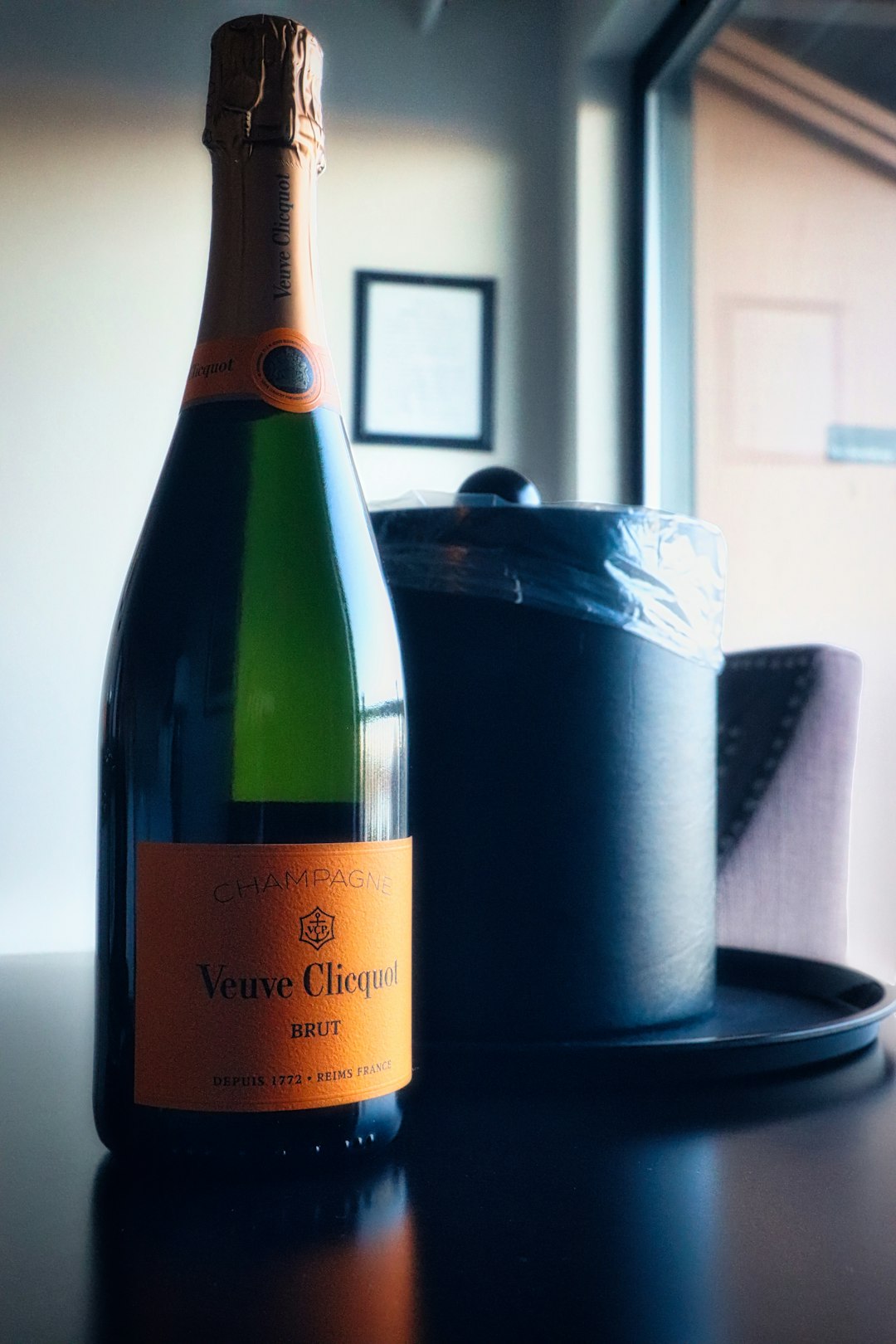
Beyond Simply Drinking: The Art of Tasting
Wine appreciation transforms drinking from a casual activity into a sensory journey. At primolla.org tasting evenings, participants discover that wine tells stories of place, climate, tradition, and the winemaker's craft. Each glass contains layers of complexity waiting to be explored by those who approach it with curiosity and attention.
The distinction between drinking and tasting lies in mindfulness. Drinking satisfies thirst or accompanies a meal without particular attention. Tasting requires deliberate focus on what you're experiencing, engagement with the wine's characteristics, and reflection on how it makes you feel. This conscious approach unlocks dimensions that casual drinking never reveals.
Wine appreciation also offers profound social benefits. Shared tasting experiences create conversation, facilitate connection, and provide a sophisticated framework for social gathering. Unlike many activities that isolate participants, wine tasting inherently involves discussion, comparison of perceptions, and collective exploration of subjective experience.
The Five S's of Professional Tasting
Professional sommeliers follow a systematic approach to wine evaluation that anyone can learn and apply. This method, often summarized as the five S's, provides structure without eliminating spontaneity or personal response. Mastering these steps transforms your ability to perceive and articulate wine's qualities.
See: Begin by examining the wine visually. Pour a moderate amount into an appropriate glass and hold it against a white background in good lighting. Notice the color's hue and intensity. White wines range from pale straw to deep gold, while reds span from light ruby to opaque purple. Color reveals age, grape variety, and winemaking techniques. Older wines show browning, while vibrant colors indicate youth.
Swirl: Gently rotate the wine in your glass to increase its surface area and release aromatic compounds. This simple action dramatically intensifies the wine's bouquet. Notice how the wine clings to the glass sides, forming legs or tears that drip back down. While these don't indicate quality contrary to popular belief, they do reveal alcohol and sugar content.
Sniff: The most important step in wine appreciation. Our sense of smell detects far more nuances than taste alone. Insert your nose into the glass and inhale deeply. What do you perceive? Fruit, flowers, spices, earth, oak? Don't worry about identifying specific aromas initially. Simply notice what the wine evokes. With practice, your vocabulary and recognition improve naturally.
Sip: Take a moderate amount of wine into your mouth, enough to coat your entire palate. Let it rest for a moment before swallowing, paying attention to flavors, texture, temperature, and alcohol presence. Notice how flavors evolve from initial contact through the finish. Professional tasters sometimes aerate the wine by drawing air through it, though this technique takes practice in social settings.
Savor: After swallowing, notice the finish, or how long flavors persist. Great wines display long, evolving finishes that reveal new characteristics even after the wine has left your mouth. The finish often defines quality more than initial impact. Consider the overall impression: balance, complexity, and how the wine made you feel.
Understanding Terroir and Its Influence
Terroir, a French term without direct English equivalent, encompasses all environmental factors influencing wine character: soil composition, climate, topography, and surrounding vegetation. This concept underlies wine appreciation because it connects what's in your glass to a specific place on Earth. Understanding terroir transforms wine from a beverage into a liquid expression of geography.
Soil type profoundly affects wine character. Limestone soils often produce wines with bright acidity and mineral qualities. Volcanic soils can impart distinctive smoky or flinty notes. Clay retains water, yielding fuller-bodied wines, while gravelly soils drain quickly, stressing vines and concentrating flavors. These soil influences become perceptible with experience and attention.
Climate determines which grape varieties thrive and shapes wine style. Cool climates produce wines with higher acidity, lower alcohol, and delicate fruit characteristics. Warm climates yield riper, fuller wines with pronounced fruit and higher alcohol. Maritime influences moderate temperature extremes, while continental climates show dramatic seasonal variation. Each climate signature appears in the finished wine.
Developing Your Personal Palate
Wine appreciation is fundamentally personal. While experts can describe a wine objectively, your subjective experience matters most. Developing your palate means becoming more aware of your preferences, expanding your taste vocabulary, and gaining confidence in your perceptions rather than deferring to others' opinions.
Start by tasting widely across different regions, grape varieties, and styles. Each wine you taste trains your sensory memory, building a mental library of flavor profiles and characteristics. Over time, you'll recognize patterns: Sauvignon Blanc's herbaceous quality, Pinot Noir's silky texture, Cabernet Sauvignon's firm tannins. This recognition comes only through experience.
Pay attention to what you genuinely enjoy rather than what you think you should like. Wine snobbery often pressures people toward expensive or prestigious bottles regardless of personal preference. However, the best wine is simply the one you enjoy drinking. Trust your palate and choose wines that bring you pleasure, whether they're celebrated or unknown.
Food and Wine Pairing Principles
Understanding how wine interacts with food elevates both. While elaborate pairing rules can seem intimidating, several fundamental principles guide successful combinations. These guidelines provide starting points for experimentation rather than rigid restrictions limiting creativity.
Match intensity: Delicate wines pair with subtle dishes, while robust wines complement bold flavors. A light Pinot Grigio would be overwhelmed by spicy barbecue, just as a powerful Barolo might dominate delicate fish. When wine and food share similar intensity levels, neither overshadows the other, allowing both to shine.
Consider acidity: High-acid wines refresh the palate when paired with rich, fatty foods. The wine's brightness cuts through heaviness, preventing palate fatigue. This principle explains why Champagne works beautifully with fried foods and why Italian wines high in acidity complement that cuisine's olive oil and tomato-based dishes.
Sweet wines with salty or spicy foods create pleasing contrasts. The wine's sweetness balances salt and heat, while the food's savory qualities prevent the wine from tasting cloying. This explains classic pairings like Sauternes with blue cheese or off-dry Riesling with spicy Asian cuisine.
Wine appreciation offers lifelong learning and pleasure. Each bottle presents new discoveries, and shared tasting experiences create lasting memories and friendships. Join us at primolla.org's tasting evenings to explore the fascinating world of wine in sophisticated, welcoming company.